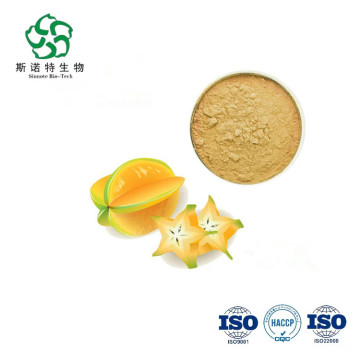

Prickly Pear Extract
Prickly pear is a fruit used in both food and medicine. It is rich in vitamin C, flavonoids, and SOD (superoxide dismutase), and has antioxidant and immune-boosting effects. However, those with weak spleen and stomach or allergies should use it with caution. The following are its specific effects and contraindications:
Effects and Functions of Prickly Pear
Supplementing Vitamin C
Prickly pear has an extremely high vitamin C content (approximately 2000-3000mg/100g), dozens of times higher than citrus fruits. It can relieve fatigue, promote collagen synthesis, and help improve skin condition.
Antioxidant and Anti-aging
Contains flavonoids, SOD, and other antioxidants, which can scavenge free radicals, delay cell aging, and reduce the risk of chronic diseases.
Regulating Immunity
Vitamin C and polyphenols work synergistically to enhance white blood cell activity and improve the body's antiviral ability.
Promoting Digestion
The organic acids (such as malic acid and citric acid) and dietary fiber in prickly pear can stimulate gastric juice secretion, aid digestion, and relieve bloating.
Improves anemia
High in iron, and combined with vitamin C to promote iron absorption, it is suitable for people with iron-deficiency anemia to consume in moderation.
Protects the liver
Animal studies suggest that prickly pear extract may reduce liver damage and aid in the repair of liver cells, but further clinical validation is needed.
Helps lower cholesterol
Dietary fiber and SOD can regulate cholesterol metabolism, which is beneficial for people with high blood lipids.
Regulates blood sugar
Some studies indicate that the active ingredients in prickly pear can inhibit a rapid rise in blood sugar, but diabetic patients should consume it under the guidance of a doctor.